Struggling with impotence in men affects millions worldwide, causing stress and relationship strain. This common condition disrupts intimate moments and damages confidence.
Discover how modern treatments, including non-surgical interventional radiology techniques, offer safe and effective solutions for restoring your sexual health naturally.
Table of Contents
What Is Impotence in Men and Why Does It Matter?
Impotence, commonly known as erectile dysfunction, is defined as the inability to achieve or maintain an erection firm enough for sexual intercourse. This condition affects men of all ages, though it becomes more prevalent with age. Understanding that erectile dysfunction is a common condition helps reduce the stigma surrounding it.
The inability to perform sexually impacts more than just physical health. It affects mental wellbeing, relationships, and overall quality of life. Many people avoid discussing this topic with doctors, but addressing erectile dysfunction early can prevent complications and improve treatment outcomes.
Erectile dysfunction can signal underlying health conditions like cardiovascular disease, diabetes, or neurological disorders. Blood flow issues often indicate problems elsewhere in the body, making diagnosis and treatment essential for overall health.

Common Causes of Erectile Dysfunction
Understanding the different causes of erectile dysfunction helps determine the most effective treatment approach. The objective of this study of male sexual health reveals that impotence results from physical, psychological, or a combination of factors.
Physical Causes
Physical factors account for most cases of erectile dysfunction. Blood flow problems are among the most common causes. When blood vessels cannot deliver enough blood to the penis, achieving an erection becomes difficult. Conditions like atherosclerosis, high blood pressure, and high cholesterol restrict blood flow.
Neurological conditions also contribute to erectile dysfunction. Damage to nerves controlling erections can result from diabetes, multiple sclerosis, Parkinson’s disease, or spinal injuries. These neurological issues disrupt the signals between the brain and penis.
Hormonal imbalances affect sexual function too. Low testosterone levels decrease libido and make erections harder to achieve. Thyroid problems and other endocrine disorders can also impact erectile function.
Peyronie’s disease, a condition where scar tissue forms inside the penis, causes curved, painful erections. This physical abnormality makes intercourse difficult and contributes to erectile dysfunction.
Psychological Factors
Mental health plays a significant role in sexual performance. Stress, anxiety, and depression create psychological barriers to maintaining an erection. Performance anxiety creates a cycle where fear of failure leads to actual dysfunction.
Relationship problems and poor communication with partners contribute to erectile dysfunction. Unresolved conflicts, lack of attraction, or trust issues manifest as sexual difficulties.
Lifestyle Factors
Daily habits significantly impact erectile function. Smoking damages blood vessels and restricts blood flow to the penis. Excessive alcohol consumption interferes with the nervous system’s ability to produce erections.
Obesity increases the risk of diabetes and cardiovascular disease, both linked to erectile dysfunction. Lack of physical activity weakens cardiovascular health, reducing blood flow throughout the body.
Drug abuse, including recreational drugs and certain prescription medications, can cause or worsen erectile dysfunction. Some blood pressure medicines, antidepressants, and antihistamines list erectile problems as side effects.
How Age Affects Male Sexual Function
Age remains one of the strongest risk factors for erectile dysfunction. While impotence is not an inevitable part of aging, it becomes more common as men grow older. Statistics show that roughly 40% of men experience some form of ED by age 40, increasing to about 70% by age 70.
Aging brings natural changes in sexual function. Erections may take longer to develop, require more direct stimulation, and be less firm than in younger years. The time between ejaculation and the ability to achieve another erection increases with age.
However, age alone does not cause erectile dysfunction. The increase in cases relates to accumulated health conditions and lifestyle factors over time. Men who maintain healthy lifestyles often continue enjoying satisfying sex lives well into their senior years.
Diagnosis: Understanding Your Condition
Proper diagnosis forms the foundation for effective treatment of erectile dysfunction. Doctors begin with a thorough medical history, discussing symptoms, health conditions, medications, and lifestyle factors. This conversation helps identify potential causes.
- Physical examinations check for signs of cardiovascular disease, hormonal imbalances, or neurological problems. Doctors may examine the penis and testicles, check blood pressure, and listen to heart and lung sounds.
- Blood tests measure testosterone levels, blood sugar, cholesterol, and other markers that indicate underlying health issues. These tests help doctors understand whether hormonal, metabolic, or cardiovascular problems contribute to erectile dysfunction.
- Specialized tests may include ultrasound to evaluate blood flow in the penis, nocturnal penile tumescence tests to measure nighttime erections, or psychological assessments to identify mental health concerns.
Treatment Options: Finding What Works for You
Modern medicine offers numerous treatments for erectile dysfunction, ranging from lifestyle changes to advanced medical interventions. The objective is to restore sexual function while addressing underlying health issues.
Lifestyle Modifications
Simple changes often improve erectile function significantly. Losing weight, exercising regularly, and eating a healthy diet enhance blood flow and hormone levels. Quitting smoking and reducing alcohol consumption produce noticeable improvements in sexual performance.
Stress management techniques like meditation, yoga, or counseling help address psychological factors contributing to erectile dysfunction. Improving sleep quality and maintaining regular sleep schedules support healthy testosterone production.
Medications
Prescription medications called PDE5 inhibitors are the most common treatments for erectile dysfunction. These medicines work by increasing blood flow to the penis, making it easier to achieve and maintain erections during sexual stimulation. They do not increase libido or sexual desire—they simply help the physical mechanism of erections work properly.
These medications are generally safe and effective for most men. However, they require a prescription and are not suitable for everyone, particularly those taking certain heart medications. Discussing options with qualified doctors ensures safe use.
Natural Approaches
Some people explore natural remedies to improve sexual health. Supplements like L-arginine, ginseng, and DHEA show promise in some studies, though evidence remains mixed. A healthy lifestyle provides the most reliable natural foundation for sexual function.
Pelvic floor exercises strengthen muscles involved in erectile function and ejaculation. Regular practice of these exercises, combined with cardiovascular activity, supports better sexual performance.
Hormonal Therapy
When low testosterone contributes to erectile dysfunction, hormone replacement therapy may help. This treatment increases testosterone levels, improving libido, energy, and sexual function. However, it is only appropriate for men with clinically low testosterone levels.
Psychological Counseling
Therapy helps men dealing with anxiety, depression, or relationship issues affecting sexual performance. Cognitive behavioral therapy teaches techniques to reduce performance anxiety and improve sexual confidence. Couples counseling addresses relationship dynamics impacting intimacy.
Interventional Radiology: Modern Non-Surgical Solutions
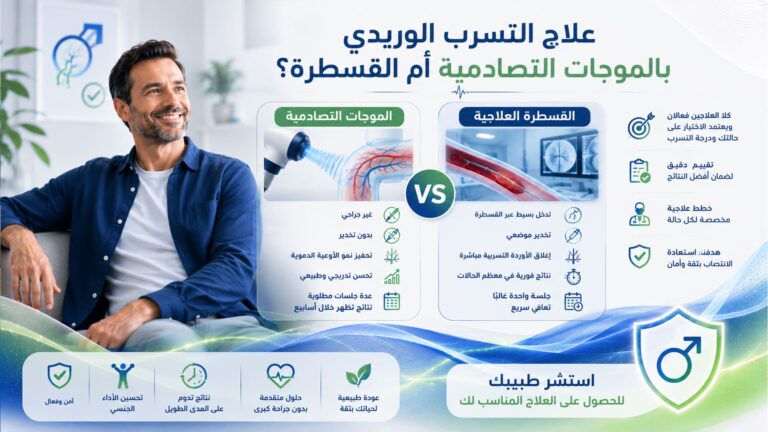
Interventional radiology offers innovative approaches to treat erectile dysfunction without traditional surgery. These minimally invasive techniques target the root causes of impotence, particularly blood flow problems.
Penile Venous Infusion Treatment
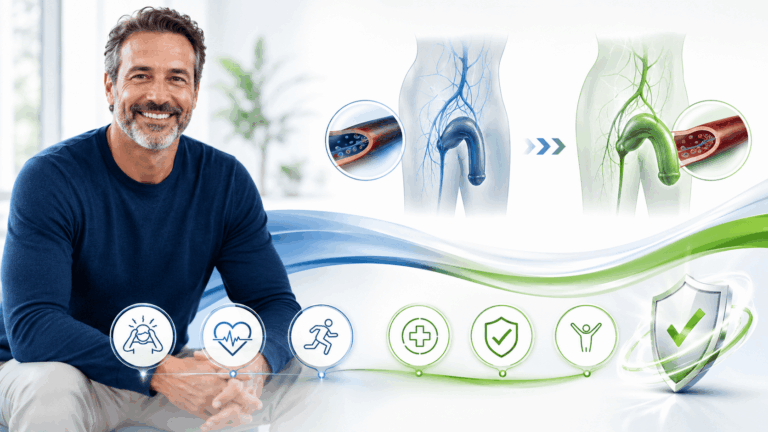
Some men experience erectile dysfunction because blood leaks out of the penis too quickly, preventing firm erections. Penile venous infusion treatment addresses this specific problem. Using advanced imaging guidance, specialists like Dr. Samir Abdel Ghaffar can identify and treat venous leakage through catheterization techniques.
This procedure involves inserting a small catheter through a tiny puncture, guided by real-time imaging. The treatment seals problematic veins, allowing blood to remain in the penis during sexual activity. Recovery time is minimal compared to traditional surgery, and patients typically resume normal activities quickly.
Treating Related Conditions
Interventional radiology also effectively treats varicocele, a condition where enlarged veins in the scrotum affect testosterone production and sexual function. Using catheterization techniques, doctors can close off these problematic veins without surgery, improving hormone levels and potentially enhancing erectile function.
These approaches represent a significant advancement in treating male sexual health conditions. The objective is to provide effective, safe alternatives to traditional surgical interventions, with fewer complications and faster recovery.
When to Seek Medical Help
Many men delay seeking help for erectile dysfunction due to embarrassment or the mistaken belief that it is a normal part of aging. However, consulting doctors early provides better outcomes and may uncover serious underlying health conditions.
Seek medical attention if erectile dysfunction:
- Occurs consistently for more than a few weeks
- Causes significant distress or relationship problems
- Appears suddenly rather than gradually
- Accompanies other symptoms like chest pain, difficulty urinating, or loss of libido
Remember that erectile dysfunction often signals cardiovascular disease before other symptoms appear. Treating impotence may literally save your life by identifying heart problems early.
Living with Erectile Dysfunction: Practical Tips
While pursuing treatment, several strategies help men cope with erectile dysfunction and maintain satisfying relationships.
Communication
Open, honest conversations with partners reduce anxiety and strengthen relationships. Discussing concerns, exploring alternatives to intercourse, and supporting each other through treatment creates intimacy beyond physical sex.
Managing Expectations
Understanding that effective treatment often requires patience helps reduce frustration. Some treatments work immediately, while others take weeks or months to show results. Trying different approaches may be necessary to find the best solution.
Focusing on Overall Health
Viewing erectile dysfunction as a wake-up call for improving overall health transforms a negative situation into positive motivation. Men who address underlying conditions often experience improvements extending far beyond sexual function.
Maintaining Intimacy
Sexual intimacy involves more than intercourse. Couples can explore other forms of physical connection while treating erectile dysfunction. This approach reduces performance pressure and strengthens emotional bonds.
Prevention: Protecting Your Sexual Health
Preventing erectile dysfunction involves maintaining overall health throughout life. Starting these habits early provides the best protection, though beginning at any age offers benefits.
- Regular exercise strengthens cardiovascular health, maintaining healthy blood flow throughout the body, including the penis. Aim for at least 150 minutes of moderate activity weekly.
- A healthy diet rich in vegetables, fruits, whole grains, and lean proteins supports vascular health. The Mediterranean diet shows particular promise for protecting against erectile dysfunction.
- Maintaining a healthy weight reduces the risk of diabetes, high blood pressure, and cardiovascular disease—all major contributors to erectile dysfunction. Even modest weight loss produces significant benefits.
- Regular health screenings detect problems like high blood pressure, high cholesterol, and diabetes before they cause complications. Early treatment of these conditions protects sexual function.
- Limiting alcohol consumption and avoiding recreational drugs protects both sexual and overall health. If prescribed medications cause erectile problems, discuss alternatives with doctors rather than stopping medication.
- Managing stress through healthy coping mechanisms prevents psychological contributions to erectile dysfunction. Finding work-life balance, pursuing hobbies, and maintaining social connections support mental health.
The Role of Professional Expertise
Treating erectile dysfunction effectively requires specialized knowledge and experience. Consulting qualified specialists ensures accurate diagnosis and appropriate treatment recommendations.
Dr. Samir Abdel Ghaffar, a consultant in interventional radiology, offers advanced treatments for erectile dysfunction and related conditions. His expertise in minimally invasive techniques provides men with effective alternatives to traditional surgery. Using catheterization and other interventional radiology methods, he treats conditions affecting sexual health with precision and care.
Specialized care makes a significant difference in treatment outcomes. Interventional radiologists possess unique training in using imaging guidance to perform targeted treatments with minimal invasiveness. This expertise translates to better results and faster recovery for patients.
Frequently Asked Questions

What is the main difference between impotence and erectile dysfunction?
Impotence and erectile dysfunction describe the same condition—the inability to achieve or maintain an erection sufficient for sexual intercourse. “Erectile dysfunction” is the more medically accurate and commonly used term today, while “impotence” is an older term that some find carries more negative connotations.
Can erectile dysfunction be cured permanently?
Whether erectile dysfunction can be cured permanently depends on its underlying causes. When lifestyle factors like obesity, smoking, or inactivity cause erectile problems, making lasting changes can permanently resolve the issue. However, erectile dysfunction resulting from chronic conditions like diabetes or cardiovascular disease typically requires ongoing management. Some men with venous leakage see permanent improvement after interventional radiology treatments.
Are natural remedies effective for treating erectile dysfunction?
Natural approaches like exercise, healthy diet, stress reduction, and certain supplements can improve mild erectile dysfunction, particularly when lifestyle factors contribute to the problem. However, scientific evidence supporting many herbal remedies remains limited. A combination of lifestyle changes and medical treatments often provides the best results. Always consult doctors before trying supplements, as they can interact with medications.
How long does it take for erectile dysfunction treatments to work?
The timeline varies by treatment type. Oral medications work within 30 minutes to an hour when taken before sexual activity. Lifestyle changes typically show results within several weeks to months. Interventional radiology procedures may produce improvements within days to weeks. Hormonal therapy often requires several months to reach full effectiveness. Psychological counseling results depend on individual circumstances but typically require consistent effort over weeks or months.
Is erectile dysfunction always a sign of a serious health problem?
Not always, but erectile dysfunction often indicates underlying health issues, particularly cardiovascular disease. Occasional difficulty achieving erections is normal and does not necessarily signal health problems. However, consistent erectile dysfunction warrants medical evaluation. Even when caused by psychological factors, addressing the issue improves quality of life and may uncover health concerns requiring attention.
What happens during a consultation for erectile dysfunction?
During your first consultation, doctors will discuss your medical history, current medications, lifestyle habits, and the specific nature of your erectile difficulties. They will perform a physical examination and may order blood tests to check testosterone levels, blood sugar, cholesterol, and other health markers. Based on these findings, doctors will recommend appropriate treatments and may refer you to specialists if needed. The conversation remains confidential, and good doctors create a comfortable environment for discussing sensitive topics.
Can younger men experience erectile dysfunction?
Yes, erectile dysfunction affects men of all ages, including those in their 20s and 30s. In younger men, psychological factors like performance anxiety, stress, or relationship problems more commonly cause erectile difficulties. However, physical causes including obesity, diabetes, and cardiovascular disease affect younger populations increasingly. Substance abuse and certain medications also contribute to erectile dysfunction in younger men.
Are interventional radiology treatments for erectile dysfunction painful?
Interventional radiology procedures like penile venous infusion treatment involve minimal discomfort. Doctors use local anesthesia and sedation as needed to ensure patient comfort. The procedures use tiny catheters inserted through small punctures rather than large surgical incisions. Most patients report little to no pain during treatment and experience mild discomfort during recovery, similar to minor medical procedures.
How do I know which treatment is right for me?
The appropriate treatment depends on the underlying causes of your erectile dysfunction, overall health, personal preferences, and response to initial treatments. Doctors typically start with less invasive options like lifestyle modifications and oral medications. If these prove insufficient, they may recommend more advanced treatments. Consulting specialists in interventional radiology provides access to minimally invasive options that may be ideal for specific types of erectile dysfunction, particularly those involving blood flow problems.
Will my insurance cover erectile dysfunction treatments?
Coverage varies significantly by insurance provider and plan. Many insurance companies cover diagnostic testing and treatments for erectile dysfunction when deemed medically necessary, particularly when it relates to underlying health conditions. However, some plans have limitations or exclude certain treatments. Contact your insurance provider directly to understand your specific coverage. When consulting Dr. Samir Abdel Ghaffar, his staff can provide information about insurance matters and payment options.
Take Control of Your Sexual Health Today
Living with erectile dysfunction does not mean accepting a diminished quality of life. Modern medicine offers numerous safe, effective treatments that help men regain confidence and enjoy satisfying sexual relationships. Understanding that impotence is a common, treatable medical condition—not a personal failure—represents the first step toward improvement.
Whether your erectile dysfunction stems from physical conditions, psychological factors, or lifestyle choices, appropriate treatment exists. From simple lifestyle modifications to advanced interventional radiology techniques, solutions are available that match your specific needs and circumstances.
Dr. Samir Abdel Ghaffar offers specialized expertise in treating erectile dysfunction and related conditions using minimally invasive interventional radiology techniques. His approach provides effective alternatives to traditional surgery, with faster recovery and excellent outcomes for conditions like venous leakage and varicocele affecting sexual function.
Contact Dr. Samir Abdel Ghaffar:
London, UK:
- Clinic: +44 20 8144 2266
- WhatsApp: +44 7377790644
Egypt:
- Cairo Booking: +20 1000 881336
- WhatsApp: +20 1000 881336
Do not let embarrassment prevent you from seeking the help you deserve. Erectile dysfunction is a medical condition with medical solutions. Taking action today opens the door to better sexual health, improved relationships, and enhanced overall wellbeing. Your quality of life matters, and effective treatments are within reach.