
Pain strikes when the bedroom becomes a source of anxiety rather than intimacy. Agitation builds as countless men face the inability to maintain an erection, watching their confidence and relationships suffer. Solution: understanding erectile dysfunction isn’t just about treating a physical condition—it’s about reclaiming your sexual health and restoring the connection that matters most in your relationship.
Experiencing trouble with erections affects millions of men worldwide, yet many suffer in silence. This comprehensive guide explores everything you need to know about erectile dysfunction, from common causes to the latest treatment options available today.

Table of Contents
What is Erectile Dysfunction and How Does It Affect Men?
Erectile dysfunction represents the consistent inability to achieve or maintain a firm erection sufficient for satisfactory sexual activity. This condition goes beyond occasional difficulties—it’s a persistent pattern that interferes with your sex life and overall well-being.
The condition manifests when blood flow to the penile tissue becomes restricted, preventing the natural mechanism that creates and keeps an erection firm. While many assume this only affects older men, the reality shows increasingly younger men experiencing erectile problems due to lifestyle factors and underlying health conditions.
Understanding this dysfunction means recognizing it as a legitimate medical condition rather than a personal failure. The physical and psychological aspects intertwine, creating a cycle where anxiety about performance can worsen the symptoms, leading to further relationship strain.
Impotence in Men: Guide to Causes, Treatments, and Solutions
What is the Main Cause of Erectile Dysfunction?
The main cause of erectile dysfunction typically stems from inadequate blood flow to the penis, though the underlying reasons vary significantly among individuals. Physical issues dominate as the primary culprits, particularly cardiovascular problems that restrict circulation throughout the body.
Cardiovascular Factors:
High blood pressure stands as one of the most common causes, damaging blood vessels and reducing the flow necessary for maintaining erections. Similarly, heart disease compromises the cardiovascular system’s ability to deliver blood efficiently to penile tissue during sexual arousal.
High cholesterol contributes by creating plaque buildup in arteries, narrowing the pathways blood must travel. This process affects smaller blood vessels first—and the penile arteries are among the smallest in the body, making them particularly vulnerable.
Metabolic and Hormonal Issues:
Diabetes presents another major factor, damaging both blood vessels and nerves essential for erectile function. Men with diabetes face two to three times higher risk of developing this condition compared to those without the disease.
Hormonal imbalances, particularly low testosterone levels, also lead to erectile problems. While testosterone doesn’t directly cause erections, it plays a crucial role in maintaining sexual desire and overall sexual function.
Psychological Components:
Psychological factors can’t be ignored either. Stress, depression, and anxiety create a mental barrier that prevents the natural physical response, regardless of adequate blood flow. The mind-body connection in sexual health proves incredibly powerful.
Common Causes of Erectile Dysfunction: Physical and Psychological Factors
Physical Issues Beyond the Heart
Physical issues extend beyond cardiovascular concerns. Obesity contributes significantly, as excess weight leads to hormonal changes, reduced blood flow, and increased risk of diabetes and high blood pressure. The condition often improves dramatically with weight loss.
Medications prescribed for various conditions frequently cause erectile problems as a side effect:
- Blood pressure medications
- Antidepressants like Zoloft
- Treatments for prostate conditions
Never stop prescription medications without consulting your healthcare provider, but do discuss alternatives if you’re experiencing these symptoms.
Atrial fibrillation and other heart rhythm disorders affect sexual function both directly through reduced cardiac output and indirectly through the medications used to treat them. Managing these conditions while maintaining sexual health requires careful medical coordination.
Lifestyle Factors
Smoking damages blood vessels throughout the body, with particularly severe effects on the small arteries supplying the penis. The chemicals in tobacco constrict blood vessels and accelerate atherosclerosis, making smoking one of the most preventable causes of erectile dysfunction.
Excessive alcohol consumption depresses the central nervous system, interfering with the signals necessary for achieving erections. While moderate drinking may not cause problems, heavy use consistently leads to sexual difficulties.
Neurological and Medical Conditions
Neurological conditions, including multiple sclerosis, Parkinson’s disease, and spinal cord injuries, disrupt the nerve signals between the brain and penis. Even when blood flow remains adequate, damaged nerves prevent proper erectile function.
Prostate surgery or radiation treatment for prostate cancer can damage nerves and blood vessels, leading to erectile problems. Fortunately, nerve-sparing surgical techniques have improved outcomes significantly.
Psychological and Relationship Factors
On the psychological side, relationship problems create tension that manifests physically. Poor communication, unresolved conflicts, and lack of attraction all contribute to sexual difficulties that may initially seem purely physical.
Performance anxiety creates a self-fulfilling prophecy. Worry about maintaining an erection makes the condition worse, which increases anxiety, perpetuating the cycle. Breaking this pattern often requires addressing both the psychological and physical components simultaneously.
Is Erectile Dysfunction Curable?
Erectile dysfunction is treatable in the vast majority of cases, and many underlying causes are reversible with appropriate intervention. The term “curable” depends on the specific cause—some conditions can be completely resolved, while others require ongoing management.
Lifestyle-Related Cases:
For men whose erectile problems stem from lifestyle factors like obesity, smoking, or excessive drinking, making positive changes often leads to complete resolution. Weight loss, exercise, smoking cessation, and moderating alcohol intake can restore natural function without medication.
Medical Condition Management:
When the condition results from treatable medical issues like hypothyroidism or low testosterone, addressing the underlying imbalance frequently eliminates erectile symptoms entirely. Regular monitoring ensures hormone levels remain optimized for sexual health.
Psychological Treatment:
Psychological causes respond well to counseling and therapy. Cognitive behavioral therapy helps men overcome performance anxiety, while couples therapy addresses relationship issues affecting intimacy. Many men find complete resolution through these approaches.
Chronic Conditions:
However, conditions involving permanent nerve damage or severe vascular disease may require ongoing treatment rather than offering a complete cure. Even in these cases, various options enable satisfying sexual activity and maintaining quality of life.
The key lies in early intervention. Erectile dysfunction often serves as an early warning sign for cardiovascular disease, appearing years before a heart attack or stroke. Addressing erectile problems promptly not only improves sexual function but may also prevent serious health complications.
What is the Latest Treatment for Erectile Dysfunction?
Treatment options have expanded dramatically in recent years, offering solutions for virtually every man experiencing erectile difficulties. The landscape has evolved far beyond the traditional pills that first revolutionized erectile dysfunction care.
Advanced Medication Options
Low-Dose Daily Medications:
Low-dose daily medications represent a significant advancement, allowing spontaneous sexual activity rather than requiring planning around pill-taking. Tadalafil taken daily maintains consistent levels in the bloodstream, enabling natural responses to sexual stimulation without the pressure of timing.
Injectable Therapies:
Penile injection therapy delivers medication directly where needed, producing reliable erections within minutes. While the idea of injections may seem daunting, the needles are tiny, and most men find the process simple and virtually painless after initial instruction.
Non-Invasive Technologies
Acoustic Wave Therapy:
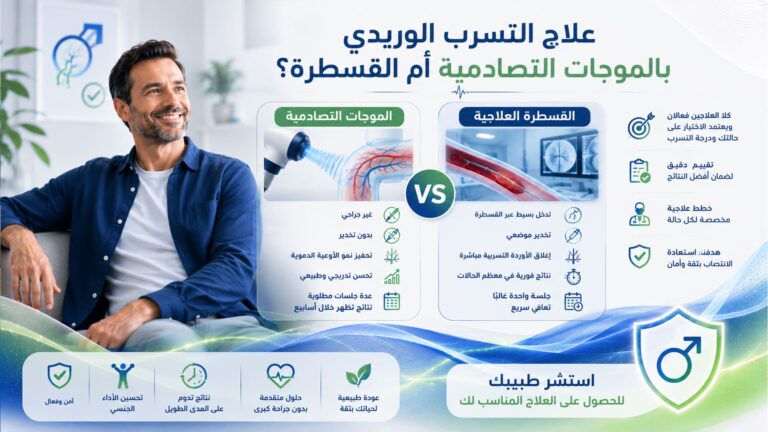
Acoustic wave therapy uses low-intensity sound waves to stimulate new blood vessel growth in penile tissue. This non-invasive treatment shows promise for men with vascular causes, potentially offering long-lasting improvements without ongoing medication.
Platelet-Rich Plasma (PRP):
Platelet-rich plasma (PRP) injections harness the body’s natural healing factors to regenerate tissue and improve blood flow. While still being studied, early results suggest benefits for some men who haven’t responded to conventional treatments.
Surgical and Interventional Options
Penile Implants:
Penile implants have become increasingly sophisticated, with modern devices offering natural appearance and function. These surgically placed devices remain hidden and allow men to achieve erections on demand, providing a permanent solution when other options fail.
Interventional Radiology Techniques:
Interventional radiology techniques pioneered by specialists like Dr. Samir Abdel Ghaffar offer minimally invasive solutions for specific causes. Penile venous infusion procedures address venous leak, where blood flows into the penis but drains too quickly to maintain erection. This catheter-based approach treats the underlying problem without surgery.
Experimental Therapies
Stem cell therapy and gene therapy represent the cutting edge, though they remain largely experimental. Research continues exploring these advanced options that may one day offer regenerative solutions.
Combination Therapy:
Combination therapy proves increasingly effective, using multiple approaches simultaneously. A man might use low-dose daily medication, make lifestyle changes, and work with a therapist to address psychological factors, achieving better results than any single intervention alone.
Erectile Dysfunction Doctor: When to Seek Professional Help
Recognizing when to consult a healthcare professional about erectile problems can be challenging. Many men wait far too long, allowing treatable conditions to worsen and missing opportunities for easier interventions.
When to Schedule an Appointment
Persistent Symptoms:
Seek medical attention if you experience persistent difficulty achieving or maintaining erections for more than a few weeks. Occasional problems happen to everyone, but consistent issues warrant evaluation. Don’t wait months or years hoping the problem resolves spontaneously.
Sudden Onset:
Any sudden onset of complete erectile dysfunction requires immediate attention, as it may signal serious underlying conditions. A heart attack can present with erectile symptoms before chest pain appears, making prompt evaluation crucial.
Accompanying Symptoms:
If you notice erectile difficulties alongside other symptoms—chest pain, shortness of breath, extreme fatigue, or changes in urination—schedule an appointment quickly. These combinations suggest underlying health conditions requiring diagnosis and treatment.
Types of Healthcare Professionals

Medication-Related Issues:
Men taking medications should discuss erectile problems with their prescribing physician. Alternative medications or dosage adjustments often resolve medication-induced erectile dysfunction without compromising treatment of the primary condition.
Urologists:
A urologist specializes in male reproductive health and commonly addresses erectile dysfunction. These specialists conduct comprehensive evaluations, perform specialized testing, and offer the full range of treatment options.
Interventional Radiologists:
Interventional radiologists like Dr. Samir Abdel Ghaffar provide specialized expertise for specific causes. His techniques using catheterization to treat venous leak offer solutions when traditional approaches prove inadequate. The minimally invasive nature of interventional radiology means faster recovery and excellent outcomes.
Mental Health Professionals:
Psychologists and sex therapists address psychological and relationship factors. Many erectile dysfunction cases involve both physical and mental components, making these professionals valuable members of your treatment team.
Primary Care Physicians:
Primary care physicians can initiate evaluations and prescribe first-line treatments. Starting with your regular doctor provides a comfortable entry point, with referrals to specialists when needed.
Don’t let embarrassment prevent seeking help. Healthcare professionals encounter erectile dysfunction constantly—it’s a routine part of medical practice. The consultation remains confidential, and doctors understand the sensitive nature of these concerns.
Erectile Dysfunction Medication: Options and Effectiveness
Oral medications remain the first-line treatment for most men, offering convenience and effectiveness. Understanding the available options helps you work with your healthcare provider to find the best fit.
Common Oral Medications
Sildenafil (Generic Viagra):
Sildenafil, the generic name for the original erectile dysfunction medication, revolutionized treatment when it became available. This medication works by enhancing the natural erectile response to sexual stimulation, increasing blood flow to the penis. Effects last approximately four to six hours, requiring planning around sexual activity.
Tadalafil:
Tadalafil offers longer duration, remaining effective up to 36 hours. This extended window provides greater spontaneity and flexibility. The daily low-dose version maintains constant medication levels, eliminating the need to plan ahead entirely.
Other Options:
Vardenafil and avanafil represent additional options with slightly different profiles regarding onset time and duration. Some men find one works better than others due to individual variations in metabolism and response.
How These Medications Work
These medications don’t automatically create erections—sexual stimulation remains necessary. They simply make it easier for the natural physiological process to occur. This mechanism means they work best when psychological arousal is present.
Generic versions have made these medications more affordable and accessible. Sildenafil and tadalafil are now available as generics, significantly reducing costs while maintaining the same effectiveness as brand-name versions.
Side Effects and Safety
Common Side Effects:
Side effects typically remain mild—headache, flushing, nasal congestion, and indigestion occur occasionally. These effects diminish with continued use as the body adapts. Rare but serious side effects require immediate medical attention, particularly sudden vision or hearing changes.
Contraindications:
Not every man can safely use oral medications. Men taking nitrates for heart conditions face dangerous interactions that can cause life-threatening drops in blood pressure. Always disclose all medications to your healthcare provider.
Maximizing Effectiveness
Medication alone often isn’t sufficient. Combining pills with lifestyle modifications, psychological support, and addressing underlying health conditions produces better outcomes than medication in isolation.
Some men don’t respond adequately to oral medications, particularly those with severe vascular damage, nerve injury, or very low testosterone. These individuals benefit from alternative treatments rather than increasing medication doses indefinitely.
The Most Likely Drugs to Cause Erectile Dysfunction Are
Understanding which medications commonly cause erectile problems empowers you to have informed discussions with your healthcare providers. Many prescription drugs interfere with erectile function through various mechanisms.
Cardiovascular Medications
Blood Pressure Medications:
Blood pressure medications top the list, particularly older classes like thiazide diuretics and beta-blockers. These drugs reduce blood pressure by decreasing blood flow and heart rate, which can inadvertently affect penile blood flow. Newer antihypertensive medications cause fewer sexual side effects, making switching worthwhile.
Psychiatric Medications
- Antidepressants: Antidepressants, especially selective serotonin reuptake inhibitors (SSRIs) like Zoloft, frequently cause sexual dysfunction. These medications alter neurotransmitter levels affecting sexual desire and function. The cruel irony is that depression itself contributes to erectile problems, and the treatment can worsen them.
- Antipsychotics: Antipsychotic medications affect multiple neurotransmitter systems, often resulting in sexual side effects. Prolactin elevation from these drugs directly suppresses sexual function.
Hormonal Medications
Prostate Medications: Prostate medications, including finasteride and dutasteride used for enlarged prostate, cause erectile and sexual side effects in some men. These drugs alter hormone metabolism, affecting sexual function even after discontinuation in some cases.
Other Medications
- Chemotherapy: Chemotherapy drugs damage rapidly dividing cells throughout the body, including those necessary for erectile function. Effects may be temporary or permanent depending on the specific medications and dosages used.
- Opioid Pain Medications: Opioid pain medications suppress testosterone production and directly affect sexual function. Long-term opioid use creates multiple barriers to normal erectile function.
- Corticosteroids: Corticosteroids affect hormone production and metabolism when used chronically, leading to erectile difficulties. Short-term use typically doesn’t cause problems, but ongoing treatment often does.
- Antihistamines: Antihistamines and decongestants can interfere with the nervous system signals necessary for erections. While effects are usually mild, they can contribute to difficulties, especially when combined with other risk factors.
Important Safety Note
Never discontinue prescription medications without medical guidance. The conditions these drugs treat often pose greater health risks than erectile dysfunction. Instead, discuss alternatives with your healthcare provider.
Many times, adjusting dosages, switching to different medications within the same class, or adding treatments for erectile dysfunction resolves the problem while maintaining control of the underlying condition.
Alternative Treatment Options Beyond Medication
Many men prefer exploring alternatives to prescription medications or need additional approaches when pills prove insufficient. A range of effective options exists for those seeking different paths.
Lifestyle Modifications
- Exercise: Lifestyle modifications form the foundation of any treatment plan. Regular exercise improves cardiovascular health, increases blood flow throughout the body, and boosts testosterone levels. Even moderate activity like brisk walking 30 minutes daily produces measurable improvements.
- Dietary Changes: Dietary changes support erectile function through multiple mechanisms. A Mediterranean-style diet rich in fruits, vegetables, whole grains, and healthy fats improves vascular health. Reducing processed foods, excess sugar, and unhealthy fats decreases inflammation and supports better blood flow.
- Stress Management: Stress management techniques including meditation, yoga, and mindfulness practices reduce the psychological barriers to sexual function. Chronic stress elevates cortisol, suppresses testosterone, and creates mental tension that interferes with arousal.
- Sleep Optimization: Sleep optimization matters more than most realize. Quality sleep regulates hormones, reduces stress, and maintains overall health. Sleep apnea, common in men with erectile dysfunction, requires treatment to resolve sexual difficulties.
Complementary Therapies
- Acupuncture: Acupuncture shows promising results in some studies, though research remains limited. This traditional Chinese medicine technique may improve blood flow and reduce stress, supporting better erectile function.
- Herbal Supplements: Herbal supplements like ginseng, L-arginine, and horny goat weed have been used traditionally, but scientific evidence varies. Some show modest benefits in studies, while others lack solid research. Always discuss supplements with your healthcare provider, as they can interact with medications.
Mechanical Devices
- Vacuum Erection Devices: Vacuum erection devices mechanically create erections by drawing blood into the penis. A constriction ring maintains the erection for sexual activity. While not spontaneous, these devices work reliably and avoid medication side effects.
- Pelvic Floor Exercises: Pelvic floor exercises strengthen the muscles supporting erectile function. Kegel exercises aren’t just for women—men can improve erectile rigidity and control through targeted muscle training.
Counseling and Therapy
Couples therapy addresses relationship dynamics affecting intimacy. Poor communication, unresolved conflicts, and differing expectations all contribute to sexual difficulties. Improving the relationship often improves sexual function.
How Interventional Radiology Treats Erectile Dysfunction
Interventional radiology offers cutting-edge solutions for specific causes of erectile dysfunction, particularly venous leak. Dr. Samir Abdel Ghaffar specializes in these minimally invasive techniques that address underlying anatomical problems.
Understanding Venous Leak
Penile venous infusion procedures treat venous leak, a condition where blood flows into the penis during arousal but drains too quickly to maintain a firm erection. Traditional treatments often fail because they don’t address this specific mechanical problem.
The Procedure
- How It Works: The procedure uses catheterization techniques similar to those used in cardiac interventions. A tiny catheter is guided through blood vessels to reach the problematic veins draining the penis. Special materials are then introduced to seal these leaking vessels, allowing blood to remain in the penis during arousal.
- Benefits: This approach avoids the risks and recovery time associated with open surgery. Most men return to normal activities within days rather than weeks. The procedure is performed with local anesthesia and mild sedation, avoiding the risks of general anesthesia.
Success Rates and Results
Success rates for appropriately selected patients are excellent. Men who haven’t responded to medications often find dramatic improvement after addressing the underlying venous problem. The procedure provides a lasting solution rather than requiring ongoing medication.
Diagnosis Process
Diagnosis involves specialized testing to confirm venous leak as the cause. Dynamic infusion cavernosometry and cavernosography use contrast imaging to visualize blood flow patterns and identify the specific veins responsible for dysfunction.
Additional Treatments
Dr. Samir Abdel Ghaffar also treats varicocele, enlarged veins in the scrotum that can affect sexual function and fertility. His catheterization approach avoids surgical incisions, offering excellent outcomes with minimal discomfort.
Patient Journey
- Consultation: The consultation process involves comprehensive evaluation to determine if interventional techniques are appropriate. Not every case of erectile dysfunction requires these procedures, but for men with specific anatomical issues, they offer solutions when other approaches fail.
- Recovery: Recovery involves minimal restrictions. Most men experience mild discomfort for a few days, easily managed with over-the-counter pain relievers. Sexual activity can typically resume within a few weeks, once healing is complete.
- Long-Term Outcomes: Long-term results show sustained improvement in most men. Unlike medications that must be taken repeatedly, the procedure addresses the underlying problem, potentially providing permanent resolution.
Frequently Asked Questions
How do I cure my erectile dysfunction?
Curing erectile dysfunction starts with identifying the underlying cause through medical evaluation. For many men, lifestyle changes including weight loss, exercise, smoking cessation, and reducing alcohol consumption restore natural function completely.
If physical conditions like diabetes or high blood pressure contribute, managing these diseases improves erectile symptoms. Psychological causes respond to therapy and stress management.
When these approaches prove insufficient, medications, devices, or procedures like those offered by Dr. Samir Abdel Ghaffar provide effective solutions. The key is addressing the problem promptly and comprehensively rather than ignoring it or relying solely on one approach.
What are the main causes of erectile dysfunction?
The main causes include inadequate blood flow due to cardiovascular disease, high blood pressure, high cholesterol, and diabetes. These physical issues damage blood vessels and nerves necessary for erectile function.
Hormonal imbalances, particularly low testosterone, contribute significantly. Medications for various conditions frequently cause erectile problems as side effects.
Psychological factors including stress, anxiety, depression, and relationship difficulties play important roles. Lifestyle factors like smoking, excessive alcohol, obesity, and lack of exercise worsen the condition. Often, multiple factors combine to create erectile difficulties, requiring comprehensive evaluation to identify all contributing elements.
How can you tell if a man has erectile dysfunction?
Erectile dysfunction manifests as consistent difficulty achieving or maintaining an erection firm enough for satisfactory sexual activity. The problem persists over time rather than occurring occasionally.
Men experiencing this condition may avoid sexual situations, show decreased interest in intimacy, or express anxiety about sexual performance. Physical signs are usually absent—the condition is diagnosed based on sexual history rather than examination findings.
Partners may notice the man becoming distant, avoiding physical closeness, or showing frustration around intimate moments. If you suspect your partner is struggling, approaching the topic with compassion and support rather than criticism encourages him to seek help.
How can a woman help with erectile dysfunction?
Women can provide crucial support by approaching the topic with understanding rather than blame or frustration. Reassure your partner that the condition is medical, not a reflection of attraction or your relationship.
Encourage him to seek medical evaluation without nagging or creating additional pressure. Reduce performance anxiety by emphasizing intimacy and pleasure beyond penetrative sex. Be patient during treatment, as finding the right solution takes time.
Attend medical appointments together if he’s comfortable, showing your commitment to working through the challenge as a team. Maintain open communication about desires, concerns, and emotions. Consider couples therapy to address any relationship dynamics contributing to the problem.
Most importantly, remember this is a shared challenge—your supportive approach significantly impacts treatment success and relationship satisfaction.
Conclusion: Taking Control of Your Sexual Health
Erectile dysfunction affects millions of men, but suffering in silence accomplishes nothing. Understanding the common causes, recognizing when to seek help, and exploring the full range of treatment options empowers you to reclaim your sexual health and relationship satisfaction.
The condition often signals underlying health problems requiring attention beyond sexual function. Cardiovascular disease, diabetes, and hormonal imbalances all manifest through erectile difficulties, making prompt evaluation crucial for overall health.
Treatment options continue expanding, from medications and lifestyle changes to advanced interventional techniques. Dr. Samir Abdel Ghaffar’s specialized approach using minimally invasive catheterization treats specific causes that other methods can’t address, offering hope for men who haven’t found success with conventional treatments.
Whether you’re experiencing occasional difficulties or persistent problems, medical consultation provides the starting point for resolution. The right diagnosis leads to targeted treatment, often resulting in complete restoration of function and confidence.
Your sexual health matters. It affects quality of life, relationship satisfaction, and overall well-being. Taking action rather than hoping the problem disappears demonstrates strength and commitment to living fully.
Contact Dr. Samir Abdel Ghaffar
For specialized treatment using interventional radiology techniques, contact Dr. Samir Abdel Ghaffar:
London, UK:
- Clinic: +44 20 8144 2266
- WhatsApp: +44 7377790644
Egypt:
- Cairo Booking: +20 1000 881336
- WhatsApp: +20 1000 881336
Dr. Abdel Ghaffar offers expert evaluation and minimally invasive treatments for erectile dysfunction and varicocele, providing solutions when traditional approaches prove insufficient.